
Imagine throwing an unforgettable event without very costly. Sounds like a dream, right? Welcome to the world of Thrifty Events, where creativity meets budget savvy. In a society obsessed with extravagant parties, it’s time to flip the script and embrace events that don’t just shine financially but also foster community and engagement. Let’s jump into the concept and relevance of these amazing gatherings.
Understanding Thrifty Events
The Concept of Thrifty Events
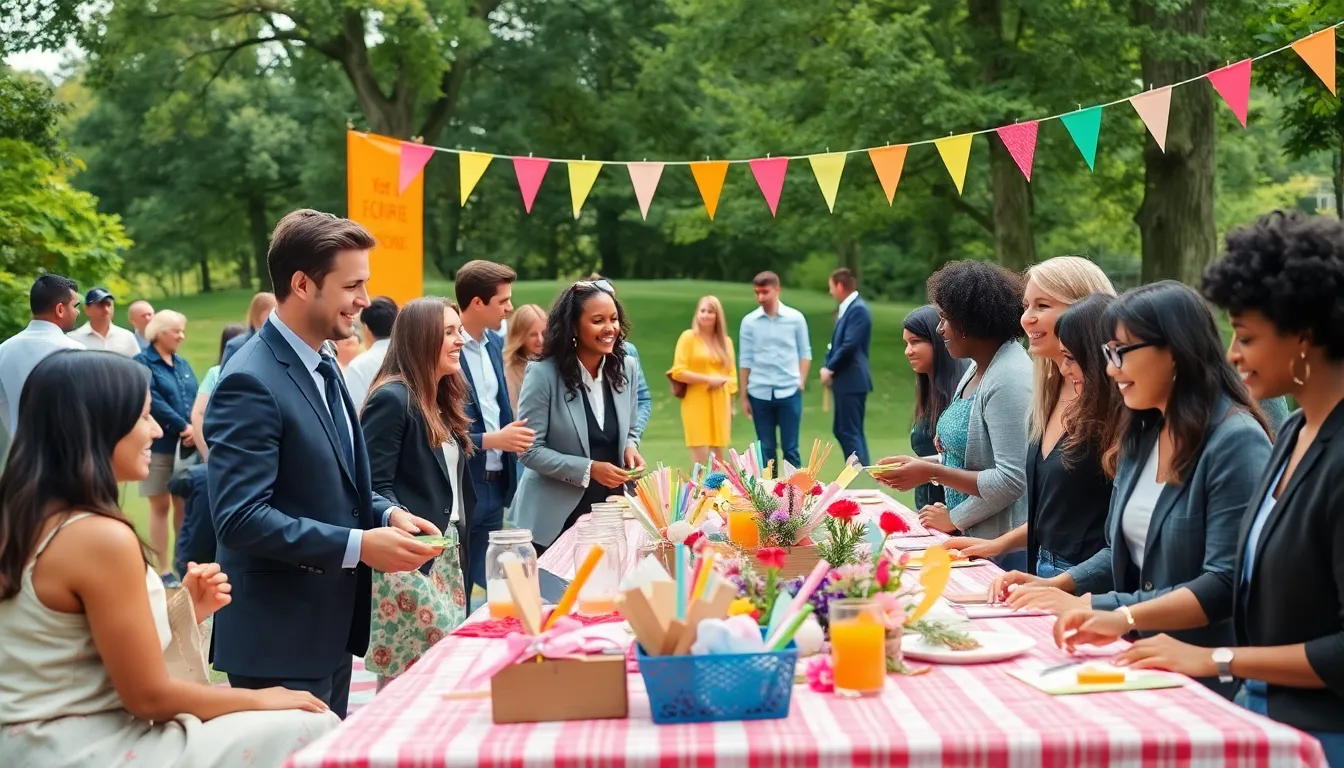
Thrifty events prioritize creativity and resourcefulness over high expenditures. These gatherings can take various forms, from intimate receptions to larger community celebrations. The core ideology is to focus on the experience rather than the price tag, ensuring that everyone can enjoy a great time without feeling the financial pinch.
Benefits of Hosting Thrifty Events
There are myriad benefits to hosting thifty events. First, they cultivate a more inclusive atmosphere by lowering entry barriers. They encourage participation among community members who may feel sidelined by the soaring costs associated with upscale events. Second, they promote creativity, as planning on a budget often sparks innovation. Finally, hosting thrifty events strengthens relationships among attendees, encouraging collaboration and a greater sense of community. After all, shared experiences hold immense value, and doing so affordably makes those experiences even more meaningful.
Types of Thrifty Events
Creative Ideas for Thrifty Events
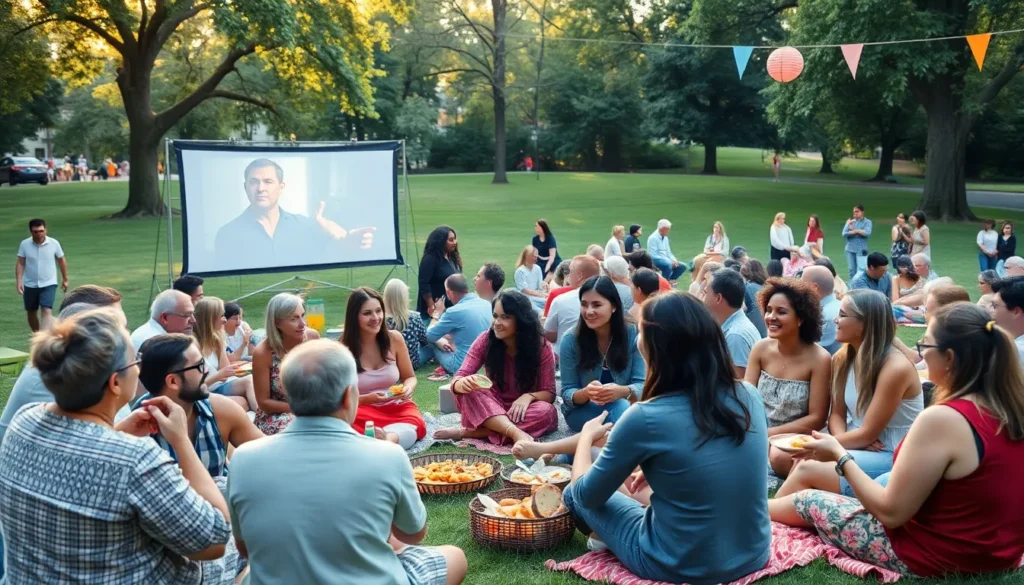
There’s no shortage of innovative concepts for thrifty events. Consider potlucks, where attendees bring dishes to share, creating a communal feast without the catering bill. Outdoor movie nights require little more than a projector and some cozy blankets, but they create memories that last a lifetime. Workshops, where community members teach one another skills, blend fun with learning at little to no cost. The beauty lies in the adaptability of these gatherings.
Budget-Friendly Tips for Planning
Planning doesn’t have to be burdensome. Start with a budget, setting clear limits avoids unnecessary surprises later on. Opt for free venues, such as local parks or community centers, to save on space costs. Collaborating with local businesses for sponsorships can reduce expenses further. Finally, enlist volunteers for roles like decoration and setup: nothing fosters community more than hands joining together to create something special.
Partnering with Local Vendors
Building Relationships Within the Community
Connecting with local vendors can elevate any thrifty event. Building these relationships not only fosters goodwill but often leads to discounts or sponsorship opportunities. Vendors appreciate community patronage: they’re often eager to support events, especially if they gain visibility in return.
Promoting Your Thrifty Events
Effective promotion spreads the word about your gatherings. Use local bulletin boards, community newsletters, and even word-of-mouth to let people know what’s happening. Engaging the local press can be beneficial as well, the right story could generate interest and attendance. Don’t shy away from creative promotional strategies, like creating captivating flyers or hosting a pre-event teaser.
Using Social Media and Online Platforms
Harness the power of social media. Platforms such as Facebook, Instagram, and Twitter are ideal for connecting with a wider audience. Creating a specific event page can stimulate interest and keep attendees updated with all necessary information. Use eye-catching visuals and engaging captions to draw attention. These platforms make community engagement easier than ever, connecting people through likes and shares.
Measuring the Success of Thrifty Events
Evaluating Attendance and Engagement
Success isn’t just about the number of attendees: it’s also about their involvement. Consider using sign-in sheets or digital registrations to track attendance numbers. Also, measuring engagement during the event, like participation in activities or conversations, offers insights into its success. High engagement often correlates with enjoyable experiences.
Gathering Feedback for Improvement
After the event, seek feedback from participants. Short surveys can yield valuable information on what worked and what didn’t. Whether it’s through informal conversations or structured forms, gathering impressions allows for continuous improvement, ensuring future events reach their full potential.